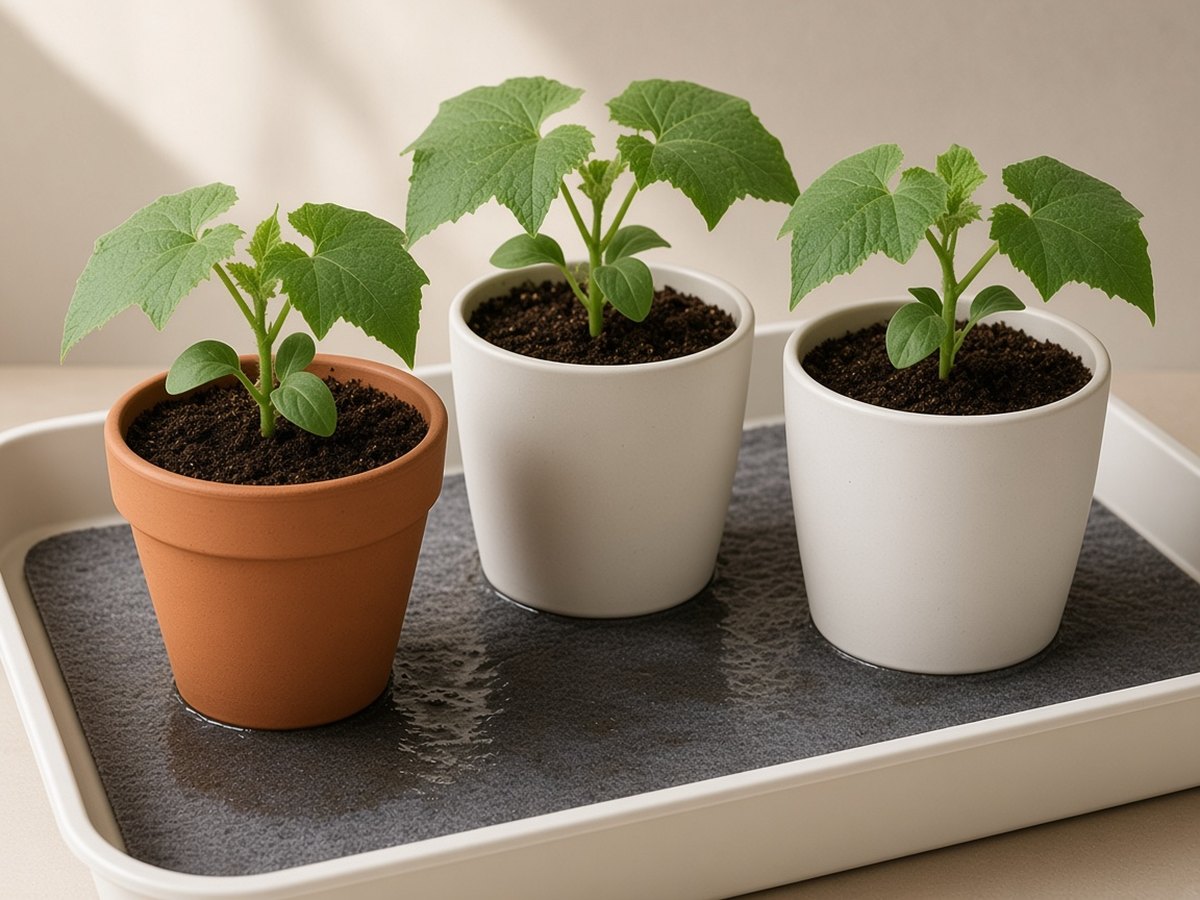
| Power needed |
No — no power, batteries, or pump |
No |
No |
Usually no |
Usually yes, for the timer or pump |
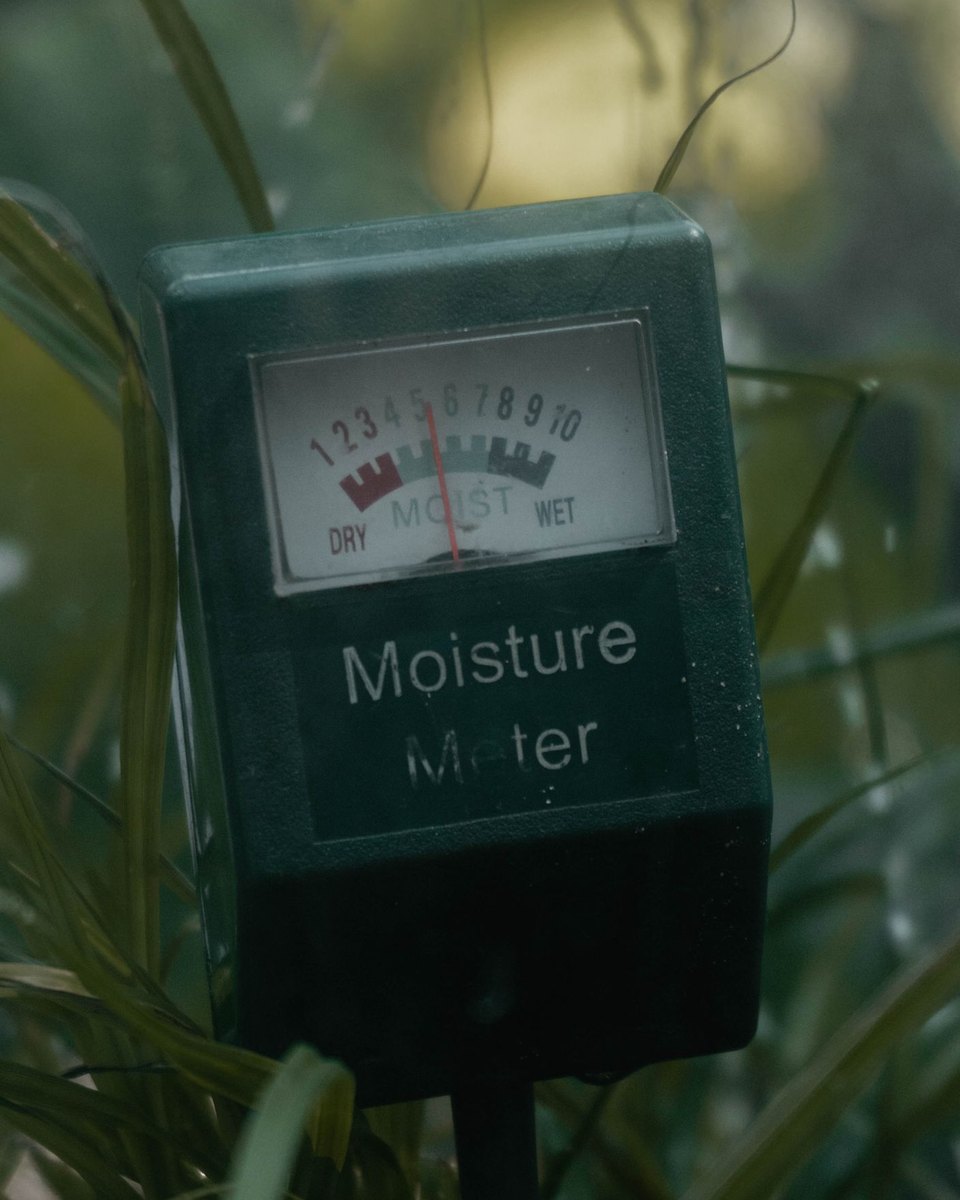
Mats: no. Sensors: usually yes |
| How water is delivered |
Measured doses on an interval you set |
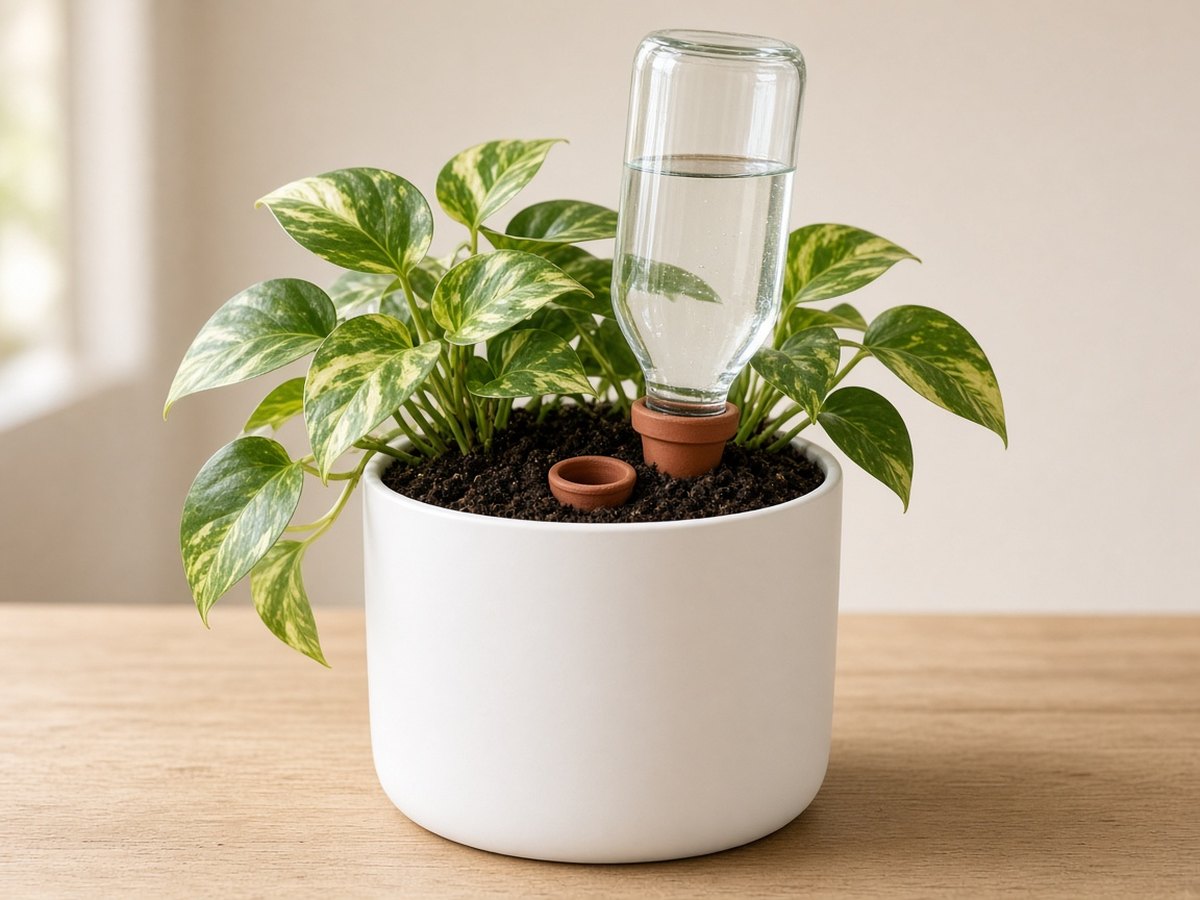
Usually a continuous or slow seep from a bottle |
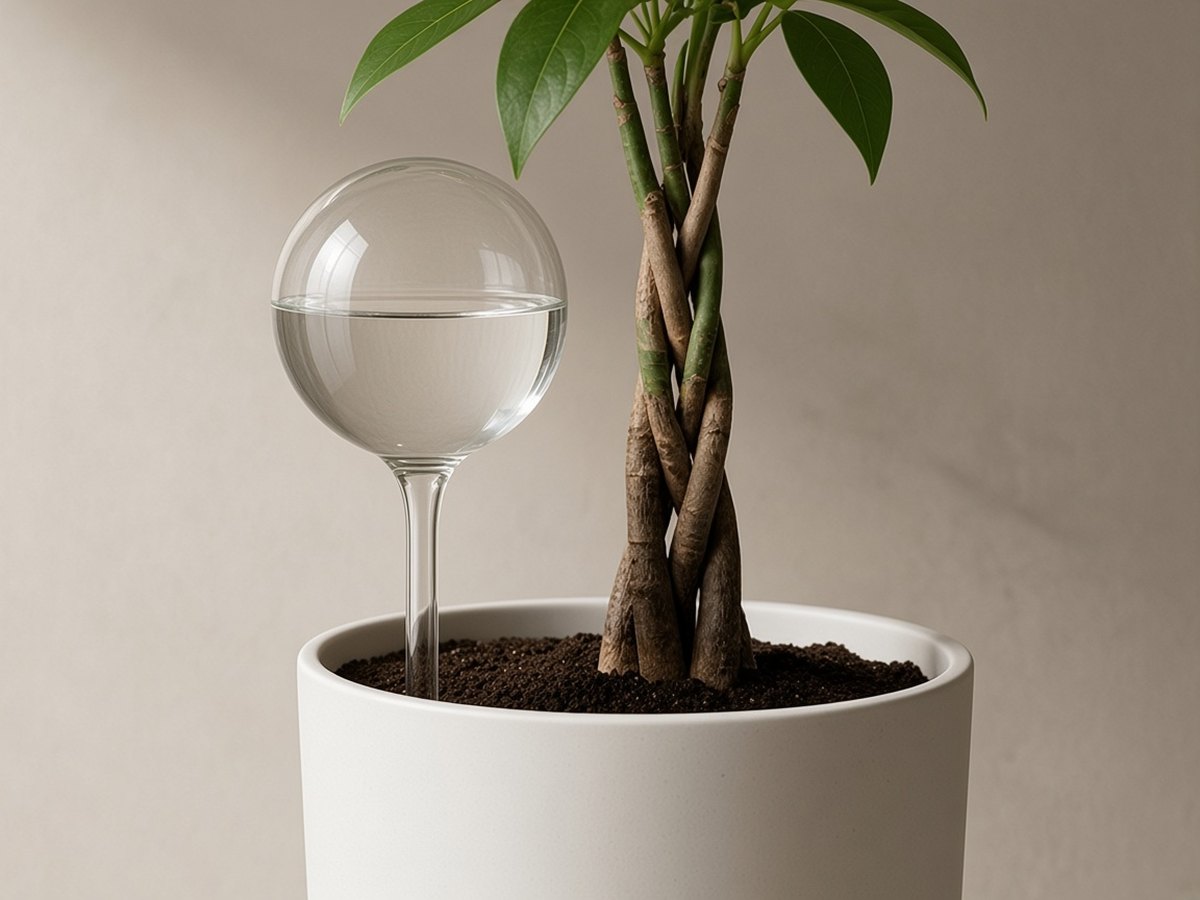
A seep as air enters the stem — not a set interval |
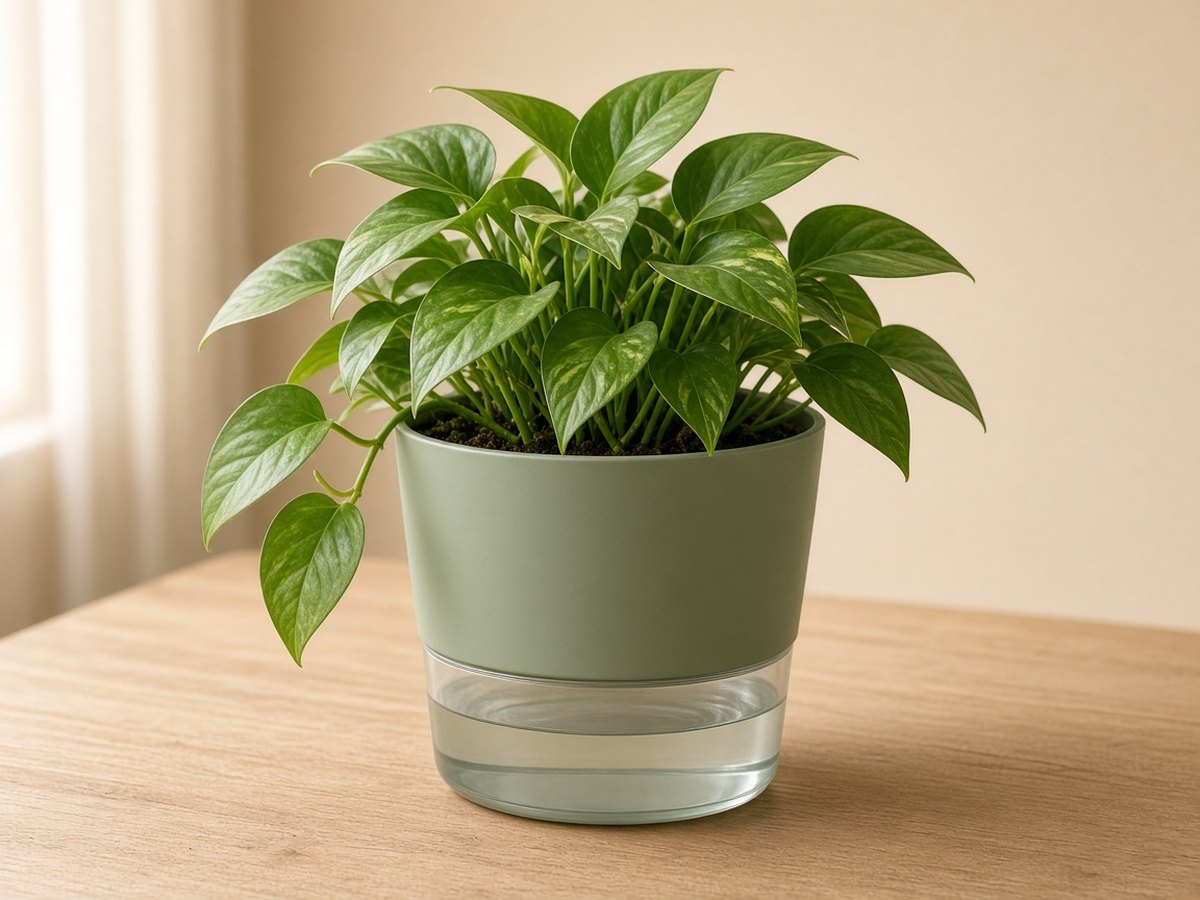
Continuous wick or reservoir while water remains |
Timed drips; can follow a measured schedule |
Mats: a continuous wick from a wet mat. Sensors: water when the probe reads dry, if they control a pump |
| Overwatering / root-rot risk, for succulents, orchids, cacti, and money trees |
The interval can be set drier, which can suit plants that like a dry-out. You still have to choose the setting. Not a guarantee. |
Soil can stay wet. That is more of a concern for succulents, cacti, and many orchids, and for money trees left soggy. |
Can empty quickly or keep the mix damp. Loose bark mixes often do not seal around the stem. |
A reservoir can keep the mix steadily moist — helpful for some plants, too wet for many succulents, cacti, and orchids if it stays full. |
Depends on the schedule. A careful setting can help; a leak or a timer left on can overdo it. |
Mats keep the base wet, which many dry-loving plants dislike. Sensors help only if they read that pot’s soil well. |
| Refill interval |
Varies by unit size. A days-left gauge shows how long a fill should last. Estimates on the size guide are labeled as estimates. |
Varies with the bottle; often a shorter fill |
Often a short fill, depending on size and soil |
Often a larger base reservoir, so a longer fill is possible |
Can be long if the tank or water supply is large |
Mat trays need topping up. Sensor systems follow whatever tank they use. |
| Adjustability |
An interval dial, plus a choice of size |
Little or none on many spikes |
Little or none |
Mostly by how much you fill, not a dose interval |
High — schedule and emitters can be changed |
Mats: limited. Sensors: a dryness threshold, if the device offers one |
| Fits existing pots |
Yes — clips to the rim of the pot you already have |
Yes, inserted in the soil |
Yes, inserted in the soil |
Usually a new pot or liner |
Yes, with tubing run to each pot |
Mats: pots with drainage holes. Sensors: a probe in the pot you have |
| Setup effort |
Clip on, fill, and set the interval |
Usually simple: push in and attach a bottle |
Fill and insert |
Often means repotting into the new vessel |
More involved: tubing, emitters, and the timer |
A tray and mat, or a probe plus any pump or valve |
| Looks |
A slim unit at the rim, in plant-named colors. It is visible beside the plant. |
Often a bottle or spike sticking out of the soil |
Can be decorative; the globe still sits in the pot |
Can look like an ordinary pot, with the water hidden |
Tubing and a timer are usually visible |
Mats sit under pots. Probes and boxes are visible in the pot. |



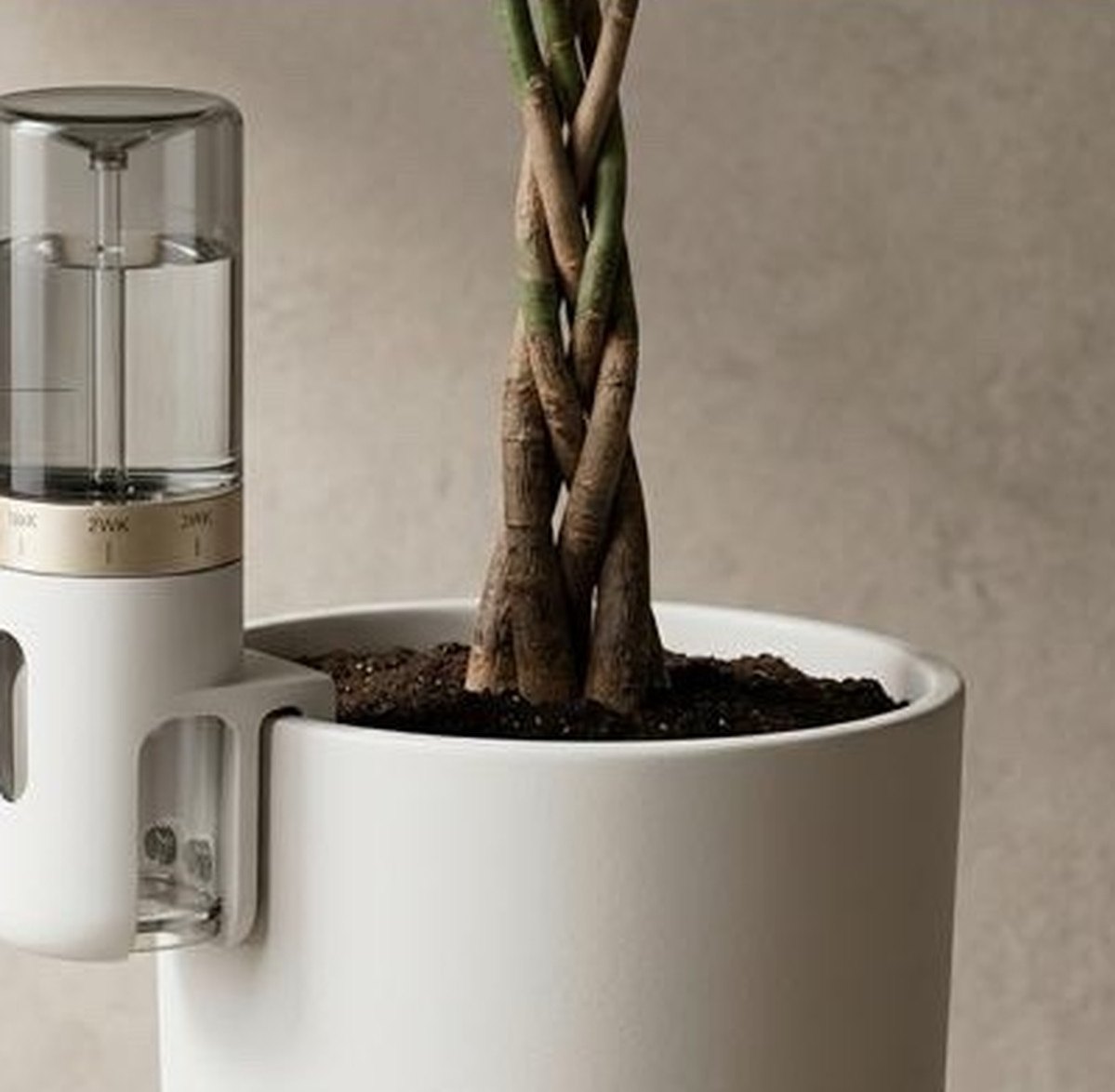 QUENCH Plant-Sauce
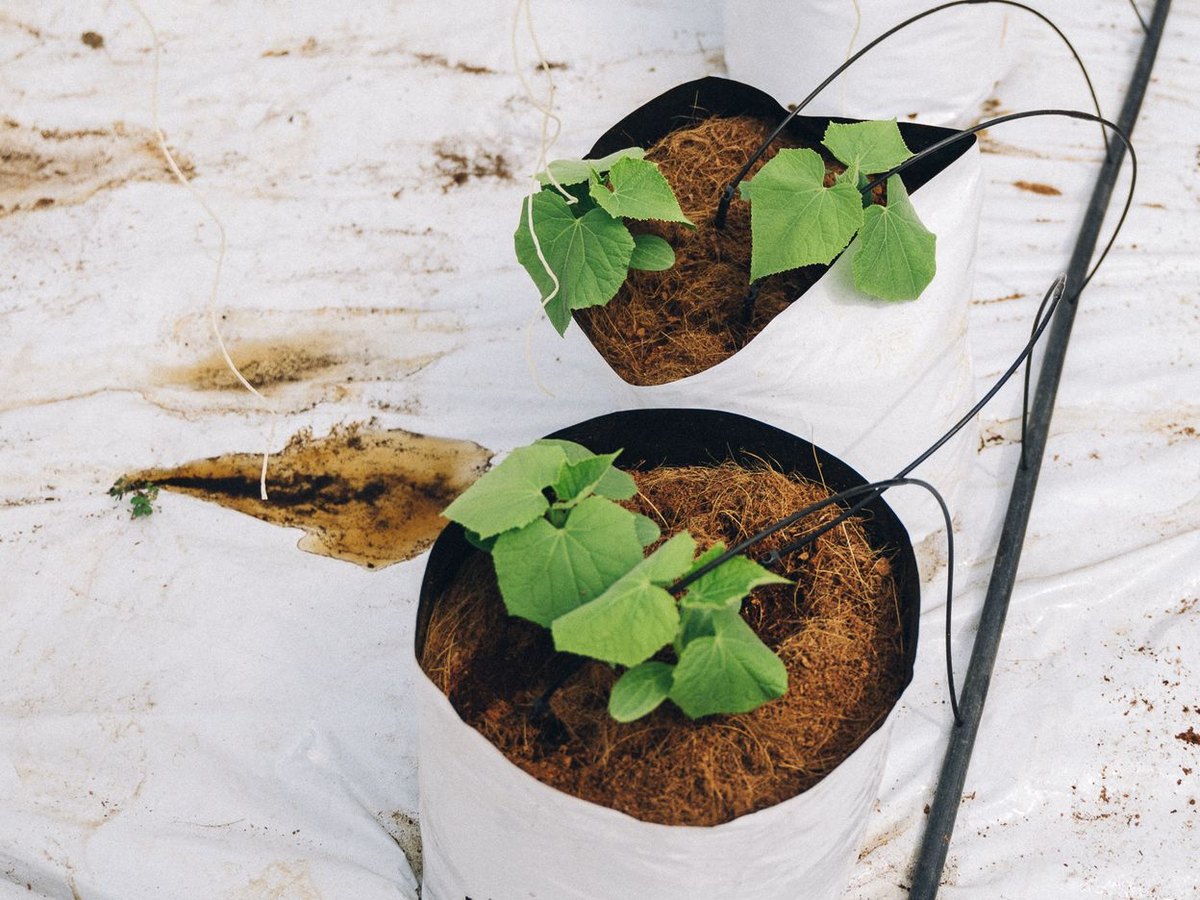 Drip kits with timers